
Pharmaceutical Lab Roofing in Lexington, KY from Commercial Roofing of Lexington.
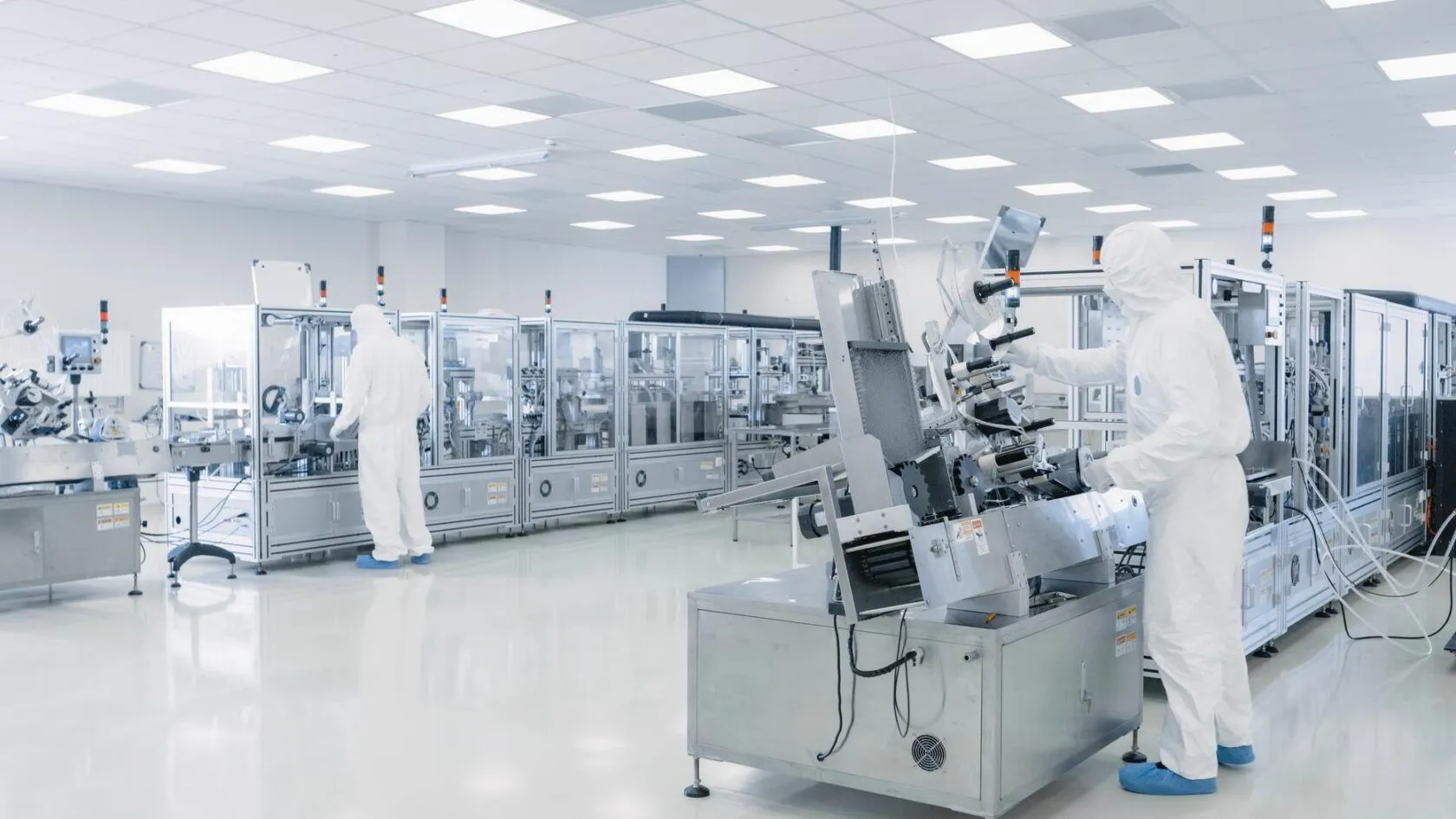
On a pharmaceutical or laboratory building, the roof is the lid over equipment and processes that cannot get wet. One drip onto a sterile fill line, a stability chamber, or a bench of analytical instruments is not a maintenance ticket; it is a contamination investigation, a possible product hold, and a regulatory conversation. We approach these roofs with that reality in front of us. The Lexington area carries a real concentration of this work, from the research labs and clinical facilities around the University of Kentucky medical campus to the life-science tenants in the Coldstream Research Campus off Newtown Pike and the contract and specialty manufacturers spread along the I-75 corridor.
A roof field crowded with curbs and stacks
Walk a pharma or lab roof and the first thing you notice is how little open membrane there is. Air handlers feeding ISO-classified cleanrooms, lab exhaust manifolds, fume-hood stacks, HEPA-filtered biosafety exhaust, chiller and process-cooling lines, and building-automation conduit all break the plane in tight clusters. Every one of those penetrations is a place a roof can leak, and on this building type the curb detailing matters more than the field membrane. We inventory and detail each penetration individually, because the stock repeating curb detail that works on a warehouse is exactly how a lab roof starts dripping over a cleanroom.
Cleanroom curbs and pressure cascades
Cleanrooms hold their classification through a deliberate cascade of air pressure between spaces, and the rooftop air handlers driving that cascade sit on curbs we may need to reflash. Disturbing supply or exhaust at those curbs can nudge the pressure relationship that keeps a clean space clean. We plan that work with the facility's MEP and validation people, schedule penetration work into HVAC maintenance windows wherever we can, and confirm the room recovers its pressure differential after we are done. We also build the curbs to shed water positively and tolerate the constant condensate that comes off mechanical equipment running around the clock.
Exhaust chemistry decides the membrane
Lab and pharma exhaust is not clean air. Solvent vapor, acid fume, and process off-gassing leave the building through rooftop stacks, and on still days that plume settles back down and condenses on nearby membrane and metal. A spot of solvent condensate dripping repeatedly onto an ordinary membrane will degrade it well before any warranty would otherwise expire, and that kind of localized chemical attack is specifically excluded from most standard coverage. We identify the exhaust stream composition with the facility's engineers and specify accordingly, typically a reinforced PVC across the field for its chemical resistance, with heavier-duty membrane and corrosion-resistant flashing metal in the zones immediately downwind of solvent and acid stacks.
Access and credentialing come first, not last
A regulated facility does not let a roofing crew walk on. Active pharmaceutical manufacturing carries FDA expectations, controlled-substance areas add DEA security requirements, and some research buildings layer on biosafety and select-agent protocols governing exactly who goes where and with what paperwork. A crew that shows up uncleared burns a mobilization day and can trigger a compliance event. We start credentialing during preconstruction, usually two to three weeks ahead, so the full crew is cleared before day one, and we document escort requirements and restricted-access zones in the coordination plan rather than discovering them on the roof.
The cost of a leak sets the standard
The buildings in Lexington's life-science inventory are among the highest-value commercial assets in the region, and the consequence of a roof failure is measured in lost product, validation re-runs, and regulatory exposure rather than in the price of a repair. That asymmetry drives how we work. We do not bring ordinary commercial risk tolerance to a building where a single penetration leaking over a chamber can quarantine a batch. Detailing is conservative, dry-in is verified daily, and nothing over a critical space is left open at the end of a shift.
Phasing over an occupied, validated building
These facilities run continuously, and the spaces below the roof are validated, which means we cannot introduce dust, debris, or vibration above sensitive areas without coordination. We section the roof to keep work clear of the most critical spaces, sequence tear-off so the deck over a cleanroom or chamber is never exposed to weather, and coordinate any work that touches the air path with the facility team. The closeout package is built to satisfy both the operations group and a quality audit: submittals, daily reports, manufacturer installation records, system certifications where required, and registered warranty, formatted to drop into the facility's document system.
Questions From Lexington Lab & Pharma Facilities
How do you keep a leak from reaching equipment during the work?
We never leave the deck over a critical space open to weather. The roof is sectioned and sequenced so tear-off and dry-in happen within a single shift over any sensitive area, and a verified watertight condition is confirmed before crews leave each day. Conservative penetration detailing and daily inspection are the standard, because the cost of one drip on this building type dwarfs the cost of the roof.
Can you reflash cleanroom air handler curbs without upsetting room pressure?
Yes, with MEP coordination. Disturbing supply or exhaust near a cleanroom can shift the pressure cascade that holds its classification, so we schedule that work into HVAC maintenance windows where possible and confirm the room recovers its differential afterward. Keeping dust and debris out of the air path above the clean envelope is part of the plan.
What membrane do you use near solvent and acid exhaust stacks?
A reinforced PVC field handles general lab chemical exposure well. Downwind of solvent or acid stacks, where condensate settles back onto the roof, we specify heavier membrane and corrosion-resistant flashing metal after confirming the exhaust chemistry with your engineers and checking compatibility against the manufacturer's chemical-resistance data. Standard TPO is not appropriate in those zones.
How does facility access and credentialing work?
We begin credentialing during preconstruction, typically two to three weeks before mobilization, so the full crew is cleared before the start date. Background checks, escort requirements, and any DEA or biosafety access restrictions for controlled or research areas are handled in advance and documented in the coordination plan.
What closeout documentation do you provide?
A complete package: contractor qualification, site safety plan, reviewed submittals, daily work reports, manufacturer installation documentation, FM or UL system certification where required, and registered warranty. We format it to fit your facility's quality and document-control system rather than handing over a generic folder.