
Hotel Roofing in Lexington, KY from Commercial Roofing of Lexington.
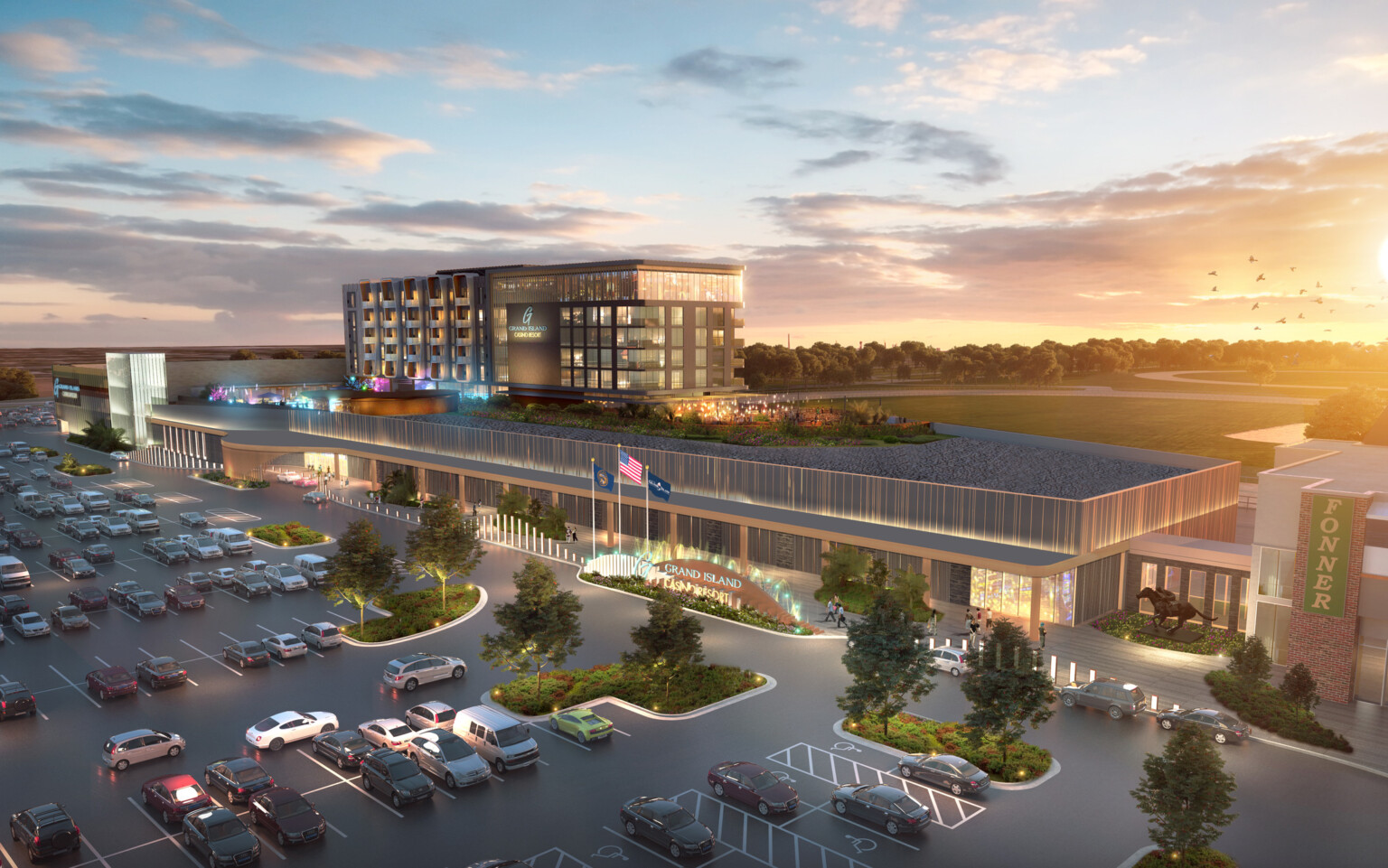
Lexington's hotel market sits at a crossroads of the thoroughbred industry, University of Kentucky athletics, and a growing corporate travel corridor headlined by downtown's Convention Center and the Hamburg Pavilion corridor off I-75. Full-service properties like those clustered near Keeneland and the Lexington Center deal with high-occupancy stretches during race meets, basketball season, and Keeneland's spring and fall meets that compress renovation windows into tight off-peak gaps. For hotel owners managing franchise agreements with Marriott, Hilton, or IHG, that scheduling pressure is one of the first things a roofing contractor must understand before setting foot on a property.
Property Improvement Plans are the engine behind most commercial roofing projects at branded Lexington hotels. When a Marriott or Hilton franchise renewal approaches, brand inspectors look hard at rooftop mechanical equipment housing, parapet flashing, and any visible membrane bubbling visible from upper-floor windows or balconies. Operators who let a TPO membrane age past fifteen years often find the brand requires full replacement before signing a new franchise agreement, not just patching. Coordinating that work around Kentucky's event calendar means scheduling tear-off and re-cover during January or February when hotel occupancy dips below thirty percent.
Low-slope roofing dominates Lexington's hotel inventory. The mix of extended-stay properties along New Circle Road and full-service hotels near downtown typically runs TPO or EPDM membranes over metal deck, with some older properties still carrying modified bitumen installed in the 1990s. Kentucky's freeze-thaw cycle is harsher than most hotel operators from warmer markets expect. Lexington averages around twenty-two days annually with freeze-thaw transitions, which attack any penetration flashing or curb detail that wasn't installed with proper thermal expansion allowance. Annual roof inspections timed for early November catch problems before winter amplifies them.
Guest experience is a primary concern during any roofing project at a hotel with active bookings. Noise transmission through the building structure from screw-fasten operations reaches occupied rooms far more than managers anticipate. Lexington roofing crews experienced with hospitality work schedule loud mechanical phases,core drilling, fastener installation, generator operation,between 9 a.m. and 4 p.m. on weekday cycles, and communicate daily with the front desk manager about which zones are active. Adhesive-set insulation and fully adhered membrane systems substantially reduce impact noise compared to mechanically fastened alternatives, which is worth the added material cost at high-end flag properties.
Extended-stay hotels along Richmond Road and near the University of Kentucky campus face their own maintenance patterns. These properties often house construction crews working Toyota's Georgetown plant expansions or visiting researchers at UK's medical center, producing consistent twelve-month occupancy that leaves almost no window for interior access from the roof. Rooftop HVAC curb flashing and drain re-strapping on these buildings typically gets deferred until a leak forces action. Preventive maintenance contracts that include twice-annual drain clearing, flashing inspections, and minor sealant work keep those properties out of emergency repair territory.
The horse industry drives a specific hospitality niche in Lexington that affects roofing timelines. Boutique hotels serving the farm sales crowd at Keeneland's September yearling sale or the Breeders' Cup book rooms a year in advance, making any exterior construction during October essentially impossible. Planning capital projects around that reality means roofing contractors must be willing to commit to spring or winter start dates and honor them without shifting schedules when other projects compete for crew time. Hotel ownership groups that have worked with contractors on PIP timelines value that reliability more than marginal cost differences.
Pool deck areas on Lexington's full-service hotels present a specialized waterproofing challenge distinct from the main roof field. Many properties carry an interior pool on a second or third-floor mechanical deck, where the waterproofing membrane must accommodate both thermal movement and point loads from mechanical equipment. Failures in these assemblies produce ceiling leaks in first-floor meeting rooms,exactly the spaces that host horse industry dinners, UK athletic fundraisers, and corporate events. Fluid-applied waterproofing systems reinforced with fabric matting outperform sheet membranes at these transitions and allow repairs without demolishing finished tile work.
Emergency roofing response is a service component that hospitality managers in Lexington weight heavily when selecting a contractor. A significant storm during a sold-out Keeneland meet or an SEC tournament weekend can produce interior water damage that triggers guest relocations, comp rooms, and negative reviews. Having a contractor with a documented twenty-four-hour emergency response protocol, pre-positioned materials, and the ability to deploy a crew without waiting for a full job estimate is worth a premium on a maintenance contract. The cost of a single week of partial hotel closure during a high-rate event period typically exceeds an entire year of preventive maintenance spend.
Lexington hotel owners reviewing capital budgets should prioritize rooftop drainage system performance alongside membrane condition. The city's proximity to the Ohio River weather corridor means multi-inch rainfall events can arrive with limited warning, and flat roofs that drain slowly create ponding loads that accelerate membrane deterioration far faster than simple age. Scupper replacements, internal drain re-sizing, and tapered insulation installations that eliminate low points are often the highest-ROI roofing investments available to Lexington hospitality properties before a full membrane replacement becomes necessary.
- How do we schedule roofing work around Keeneland race meets and UK basketball season?
- The most reliable approach is committing to January through early March for large-scale work, then reserving a secondary window in June when UK athletics are quiet and summer race meets haven't started. Your contractor should block those dates well in advance and treat them as fixed, not flexible around competing projects.
- What roofing system performs best on Lexington hotels given the freeze-thaw cycle?
- Fully adhered TPO or EPDM membranes with properly detailed penetration flashings and generous insulation R-values outperform mechanically fastened systems in Kentucky's climate. The fastener-point thermal bridging in mechanically fastened systems creates condensation pathways that accelerate deck corrosion over time.
- How do we handle roofing PIP requirements without disrupting high-occupancy periods?
- Start the brand conversation about PIP roofing scope at least eighteen months before the franchise renewal deadline so you have time to schedule work in a true off-peak window. Most brands allow phased completion documentation if the full project is contracted and underway before the renewal date.
- What does an emergency roofing response contract typically include for a Lexington hotel?
- A solid emergency contract covers twenty-four-hour callback, temporary membrane patching and interior tarping within four hours, pre-agreed daily rates for emergency crew deployment, and priority material stocking for your specific roof system type. The pre-agreed rate structure is the most important element,it prevents pricing disputes during high-stress situations.
- Can rooftop HVAC replacement and membrane replacement be coordinated to save cost?
- Yes, and it almost always makes financial sense to combine them. Replacing rooftop units after a new membrane is installed risks punctures and flashing voids from equipment rigging, so the correct sequence is membrane first, then mechanical. Coordinating both scopes under a single general contractor avoids warranty conflicts between the roofing and mechanical specialty contractors.