
Industrial Roofing in Lexington, KY from Commercial Roofing of Lexington.
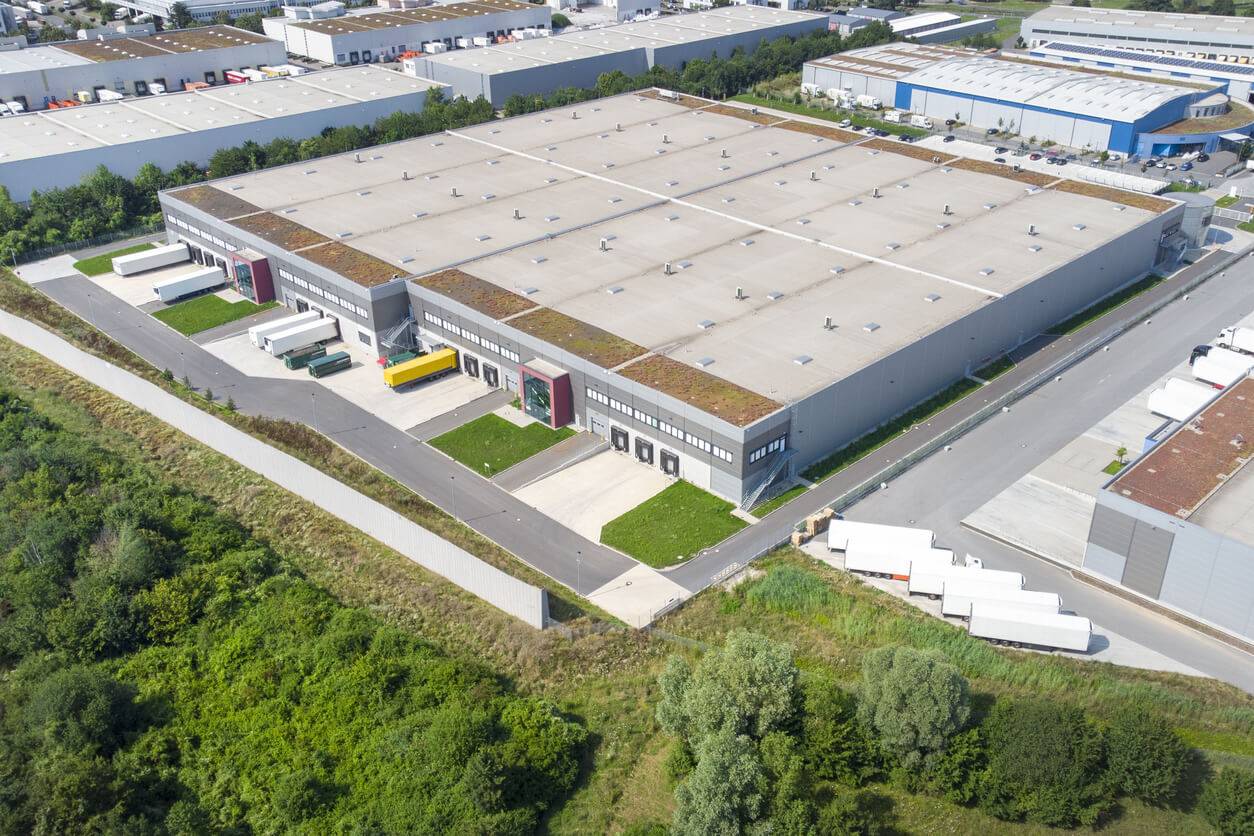
Lexington, Kentucky's industrial identity is centered on one of the most significant automotive manufacturing operations in North America. Toyota's Georgetown plant, 25 miles north of downtown Lexington, employs nearly 10,000 people and is Toyota's largest North American production facility. The industrial supply chain supporting that plant , the Tier 1 and Tier 2 suppliers, the tooling operations, the logistics and warehousing infrastructure , extends throughout the I-75 and I-64 corridor and represents an enormous concentration of manufacturing building square footage. We work on those buildings, and we understand what Kentucky's climate and this building stock demands.
The Toyota supplier and logistics corridor along the I-75 north toward Georgetown and Georgetown's industrial parks includes buildings of various vintages and construction types. Many of the original supplier facilities that came to Lexington when Toyota established its Georgetown operation in the late 1980s are now 30-plus years old. These buildings , typically steel-frame manufacturing with brick veneer or metal panel exteriors , have had multiple roof system cycles already, and the current assemblies range from well-maintained to significantly deferred. The masonry parapets on these buildings are where we most often find the ongoing issues: coping that's lost its sealant joints, counter-flashing that's separated, and in some cases masonry damage from water cycling through the parapet cap over Kentucky's significant freeze-thaw season.
Lexmark International's manufacturing and corporate operations in Lexington are a different industrial profile than automotive , technology manufacturing with different interior environment requirements and different roof load profiles. Lexmark's facilities have HVAC systems designed for electronics manufacturing environments that place specific constraints on roof work near critical air intakes. We've worked on manufacturing facilities in this sector throughout Kentucky and understand the material handling and contamination control requirements that apply to roofing work near precision manufacturing environments.
Coldstream Research Campus represents 735 acres of research and technology development in the Lexington metro, and Legacy Business Park's 200 acres adds to the substantial office-flex and research building footprint that Lexington has developed around its University of Kentucky research ecosystem. These buildings are a different specification context than heavy manufacturing , more complex HVAC penetrations, more parapet wall detailing for architectural reasons, and facilities management teams that care about the building's appearance and long-term condition. We do a lot of work in these parks because the building owners and property managers there have the sophistication to recognize quality commercial roofing work and the maintenance commitment to protect their investments.
Kentucky's climate puts 50 inches of annual rain on Lexington's roofs and delivers 15 inches of snow, with a genuine freeze-thaw cycle that runs through the transition months. The Bluegrass region's weather pattern includes winter ice storms , significant ones, not just occasional light events , and the combination of ice accumulation and spring thaw creates the kind of water infiltration cycle that turns minor membrane issues into major deck problems if they're not caught. Semi-annual inspections in Kentucky's climate , fall pre-winter and spring post-freeze , are the minimum standard for industrial facilities that want to stay ahead of the weather-driven failure cycle.
Bluegrass Station, the former Lexington Blue Grass Army Depot now operated as a business park and logistics center, has an interesting mix of building types: original mid-century military construction alongside more recent industrial development. The original depot buildings have concrete frame and masonry construction that requires different roofing approaches than modern steel frame. The roof slopes, parapet configurations, and drainage systems on these buildings were designed for military storage use, and some have been adapted for commercial use in ways that changed the drainage and load patterns without updating the roofing specification. When we assess Bluegrass Station buildings, we pay particular attention to what the original drainage design was and how the building's current use has changed the water management requirements.
Amazon's distribution operations in the Lexington area represent the newer end of the market , large, modern logistics facilities with relatively current roofing systems. These buildings benefit from a planned maintenance program rather than reactive repair: regular inspections, seam testing, drain maintenance, and documentation for warranty compliance are the tools that keep a modern single-ply system delivering its full service life. We have maintenance contracts with several large logistics operators in the Lexington market and deliver the consistency and documentation that corporate facilities programs expect.
The I-75 and I-64 corridors that intersect in Lexington handle heavy commercial truck traffic that's also the climate exposure profile for the industrial buildings along those corridors. Kentucky's winter weather patterns , wet snow that turns to ice, then rain, then freezing again in the shoulder seasons , create the cycling conditions that are hardest on membrane edges and perimeter transitions. The buildings at highway interchange zones are also exposed to de-icing chemical splash from highway operations, which can affect the masonry and metal components at ground level and, in extreme cases, has been associated with membrane degradation near roof-level where spray reaches the building face. We inspect for these exposure effects on highway-adjacent industrial buildings.
Rooftop equipment load management is a persistent issue in Lexington's manufacturing and research sector. HVAC upgrades over the past decade have added significant equipment weight to roofs that were designed for original mechanical loads, and the structural analysis of whether the added load is within the deck's capacity is something we flag when we see it. Adding a large RTU to an existing curb without a structural review is more common than it should be in any market, and Kentucky's industrial sector is no different. We work with structural engineers when our assessment identifies potential overloading and provide the documentation building owners need to address the condition properly.
From the Toyota supply corridor to Lexmark's operations to the research parks and logistics facilities of the Lexington metro, we're the commercial roofing contractor that understands this market's diversity. Kentucky industrial roofing requires experience with automotive manufacturing environments, research facility protocols, and the climate exposure that central Kentucky delivers year-round. That's what we bring to every project in this market.
Questions Owners Ask
What roof specification is appropriate for a Toyota Tier 1 supplier facility near Georgetown?
Automotive manufacturing support facilities have specific requirements beyond standard commercial: continuous operation schedules that limit shutdown windows, interior humidity from manufacturing processes that affects vapor management design, and structural deck types that vary from older concrete to modern steel. For a Georgetown-area supplier building, we typically specify a fully adhered TPO or modified bitumen system on appropriate insulation for the building's use and vintage. The fully adhered installation handles Kentucky's freeze-thaw cycling better than mechanically fastened systems. On older buildings, we do a core sample to verify the existing insulation and deck condition before specifying , what's actually in the assembly may differ from original documents.
How does Kentucky's 15 inches of snow and freeze-thaw cycle compare to states with heavier snowfall?
Kentucky's freeze-thaw cycle is more damaging than the raw numbers suggest because the cycling frequency through the freezing point is high. Lexington doesn't stay frozen , it oscillates, sometimes multiple times per week in the shoulder seasons. Each crossing of the 32-degree threshold expands and contracts any water in membrane seams or insulation, working existing vulnerabilities open. States with sustained sub-zero winters actually have fewer freeze-thaw cycles because the freezing period is stable. Lexington's variable winter is more mechanically damaging to membranes than a Minnesota winter, even though Minnesota has more snow. The specification response is the same as for other freeze-thaw climates: fully adhered installation, good perimeter detailing, and consistent annual inspections.
What should we know about roofing work at a Coldstream Research Campus or Legacy Business Park building?
Research and office-flex buildings in Coldstream and Legacy require contractors who can work with minimal disruption to tenants. Noise restrictions during business hours, dust control, and protection of landscaping and building entrances are part of operating in a research park environment. Most buildings in these parks have anchor tenants with technology or laboratory operations that add air quality requirements to the standard commercial project protocols. We treat research park work as a category with specific operational requirements , not more difficult than heavy industrial, but different, and requiring the kind of project management that keeps tenant relations intact throughout the work.
We have an older Bluegrass Station building. What are the typical roof conditions we find on those?
Original Bluegrass Station buildings from the depot era have concrete deck and masonry construction with roof systems that have been repaired and overlaid multiple times since the 1940s and 50s. We typically find multiple layers of roofing assembly on these buildings, with the accumulated weight sometimes approaching the deck's design capacity. Core sampling is essential before any new work is specified , we need to know what's actually in the assembly and whether the deck is sound. These buildings often have interior downspout systems that have never been camera-inspected and may be partially blocked or corroded. Drain system verification is another priority before we write a proposal on a Bluegrass Station building.
How do you document roofing work for a Toyota or Amazon facility that requires corporate contractor compliance records?
Corporate facilities programs for major manufacturers and logistics operators typically require pre-qualification documentation, daily installation logs, photographic verification of key installation steps, seam weld testing records, and a final project closeout package. We prepare and maintain this documentation as a standard part of project management on facilities with corporate compliance requirements. Our closeout packages include installation date, materials used with manufacturer certification, attachment patterns and fastener counts, weld test results, and as-built drawings for penetration locations. For warranty purposes, this documentation is also what the membrane manufacturer requires to register and enforce extended warranties.