
University Campus Roofing in Lexington, KY from Commercial Roofing of Lexington.
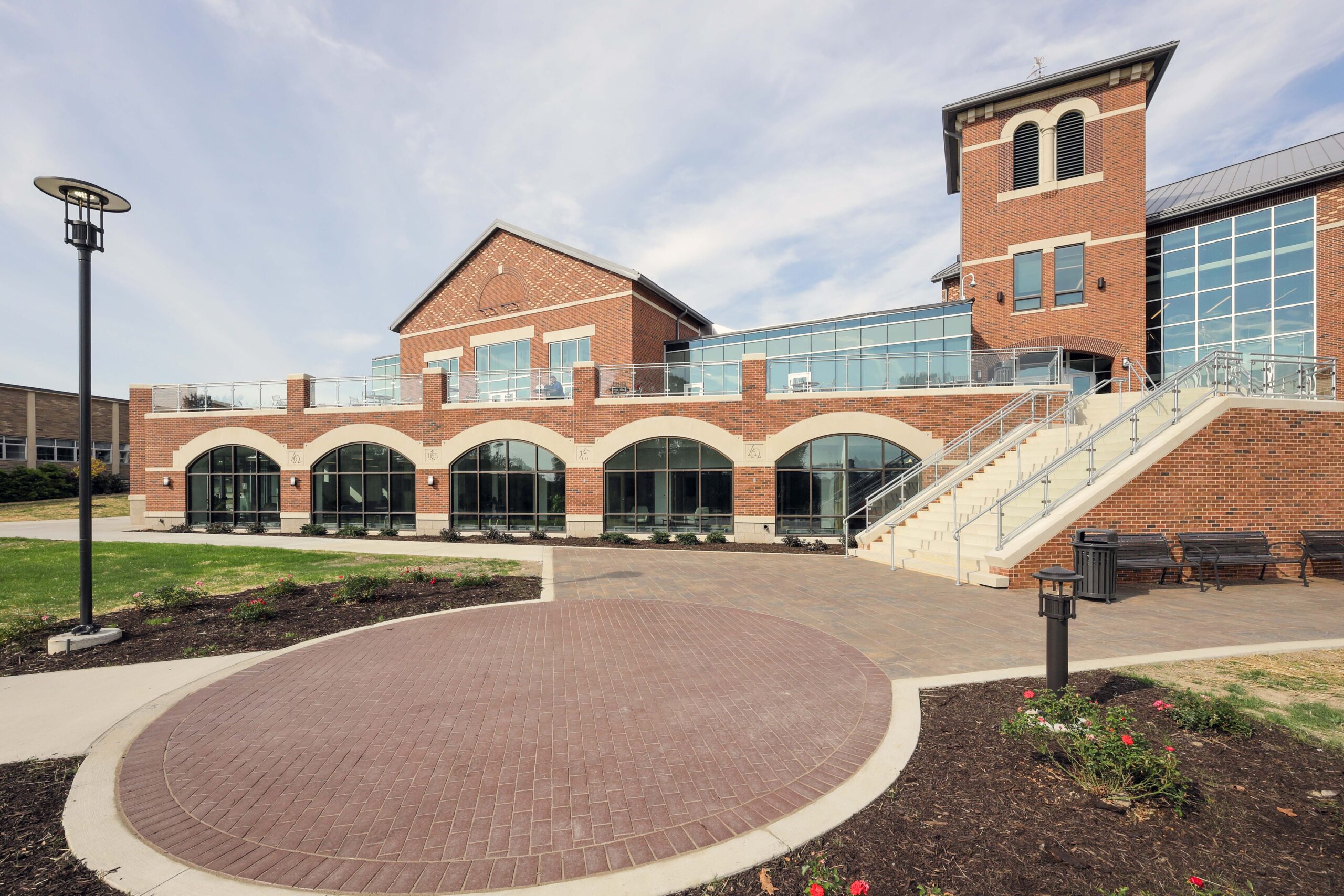
The University of Kentucky's sprawling main campus in Lexington , spanning over 800 acres with hundreds of buildings ranging from 19th-century administration halls to modern research facilities , presents one of the most diverse and technically demanding commercial roofing portfolios in the southeastern United States. UK's facilities management department oversees roofing assets that include slate-covered historic structures on the central campus, mechanically complex research building rooftops in the medical center district, and large-span athletic and recreation facilities that each require specific expertise to maintain and restore.
Semester scheduling at the University of Kentucky shapes every aspect of roofing project planning. The academic calendar creates clear constraints: major roofing projects above occupied classrooms, residence halls, and administrative buildings must be completed during summer break between May and late August, or during the short winter intersession in December and January. Contractors who underestimate the size of the summer construction window at UK routinely find themselves finishing work during the first weeks of the fall semester, when noise and disruption complaints from students, faculty, and administration become a serious project management issue.
UK's campus programs , particularly the research-intensive facilities in the UK HealthCare complex and the Coldstream Research Campus , create roofing requirements that go beyond the academic building baseline. Hospital-grade rooftop HVAC systems, critical power infrastructure, and research laboratory pressurization systems all have rooftop penetration and equipment installation requirements that exceed what is typical for classroom or residential buildings. Contractors serving the UK medical center district must coordinate with hospital facilities management on infection control during construction, maintain ICRA compliance during rooftop work above patient care areas, and document all penetration work in formats compatible with the hospital's regulatory record-keeping requirements.
Historic buildings on UK's main campus include Memorial Hall, Administration Building, and several original classroom buildings whose slate or clay tile roofing systems represent significant cultural and institutional heritage. Restoration of these historic roofing assemblies requires specialized contractors with documented experience in traditional roofing materials, an understanding of historic preservation standards under the Secretary of the Interior's Guidelines, and the ability to source period-appropriate materials for repair. UK's facilities team has developed preferred contractor relationships for historic building roofing that prioritize proven expertise over lowest bid, which is the correct approach for preserving irreplaceable campus assets.
LEED certification is a standard expectation for new campus construction and major renovation at UK, which has committed to sustainability goals that include reductions in campus energy consumption and carbon emissions. Roofing systems on new and significantly renovated UK buildings are expected to contribute to LEED credit pathways, including cool roof compliance (LEED SS Credit), enhanced insulation R-values beyond code minimums (LEED EA Credits), and reflective membrane specifications that reduce urban heat island contribution. Contractors who understand the LEED documentation process and can provide the required product certifications and installation records streamline UK's project commissioning process significantly.
The thermal environment of Lexington's climate affects UK's roofing assets across a broad range. Summer temperatures regularly exceed 90°F with high humidity, creating significant thermal stress on membrane surfaces and adhesive bonds. Kentucky's ice storm history creates periodic heavy glaze loads on flat and low-slope roofs that test the structural adequacy of older deck assemblies. Spring thunderstorms with hail and high winds produce the acute damage events that drive the annual maintenance budget on UK's large roofing portfolio. A university facilities team managing this exposure breadth across hundreds of buildings needs contractor partners who can respond rapidly to storm events and conduct organized, cost-effective post-event assessments.
UK's on-campus residence hall system , which houses thousands of students in multi-story buildings throughout the central campus , creates a distinct roofing context within the broader university portfolio. Resident-occupied buildings require particularly careful scheduling and noise management during roofing projects. Summer break provides the primary window, but some summer programs and summer housing assignments mean that residence halls are never truly unoccupied. Contractors must communicate work schedules to housing management in advance and be prepared to adjust daily start times and work sequencing when building occupancy during summer unexpectedly extends into traditionally assumed-empty zones.
UK's Wildcat Coal Lodge athletic training facility, Commonwealth Stadium, and the numerous sports and recreation buildings on campus present large-span, high-profile roofing challenges. These facilities operate event schedules that are not synchronized with the academic calendar , football season extends into November, basketball into March, and summer camps run through July and August. Major roofing work on athletic facilities must be coordinated around event schedules, blackout dates, and the specific operational requirements of each venue.
Preventive maintenance programs for university campuses of UK's scale are most effective when organized at the portfolio level rather than building by building. Annual inspections that are systematically documented in a campus-wide asset management system allow UK's facilities team to prioritize repair and replacement investments across the full roofing portfolio based on condition, remaining useful life, and institutional importance. This portfolio-level approach avoids the reactive spending that results from managing each building's roof as a separate, independent asset, and provides the capital planning data that university budget administrators require when approving multi-year facility maintenance funding.
- How does UK's academic calendar affect roofing project scheduling in Lexington?
- Major projects above occupied academic buildings must be completed during the summer break (May through late August) or winter intersession (December-January). Contractors who misjudge the available summer window risk finishing during the first weeks of fall semester, when noise and disruption from construction become a serious institutional relations problem.
- What ICRA compliance requirements apply to roofing work above UK's hospital buildings?
- Infection Control Risk Assessment protocols require contractors to contain dust and debris, maintain negative pressure in work zones, and document all activities above patient care areas. Penetration work in the UK HealthCare complex requires coordination with hospital infection control staff and pre-work ICRA permit approval.
- What standards govern historic roof restoration at UK's central campus buildings?
- The Secretary of the Interior's Standards for the Treatment of Historic Properties guide restoration of UK's slate and clay tile roofing on historic buildings. Period-appropriate materials sourcing, minimal intervention principles, and documentation requirements under these standards distinguish historic roof restoration from standard commercial re-roofing.
- How does UK's LEED commitment affect roofing specifications for new campus construction?
- New and significantly renovated buildings are expected to meet cool roof compliance, above-code insulation R-values, and reflective membrane standards that contribute to LEED certification. Contractors must provide product certifications and installation records in formats compatible with UK's LEED documentation process.
- Why is portfolio-level management important for UK's large roofing asset base?
- Managing roofing assets building by building leads to reactive spending patterns. Portfolio-level condition assessment documented in a campus-wide asset management system enables prioritized investment decisions based on condition, remaining useful life, and institutional importance , and provides the capital planning data university administrators require.