
The scope documents leak sources, repair boundaries, photos, and priorities so Lexington owners can separate immediate stabilization from longer-term capital work. Commercial roof repair in Lexington with leak investigation, documented repair boundaries, emergency stabilization, and planned corrective work.
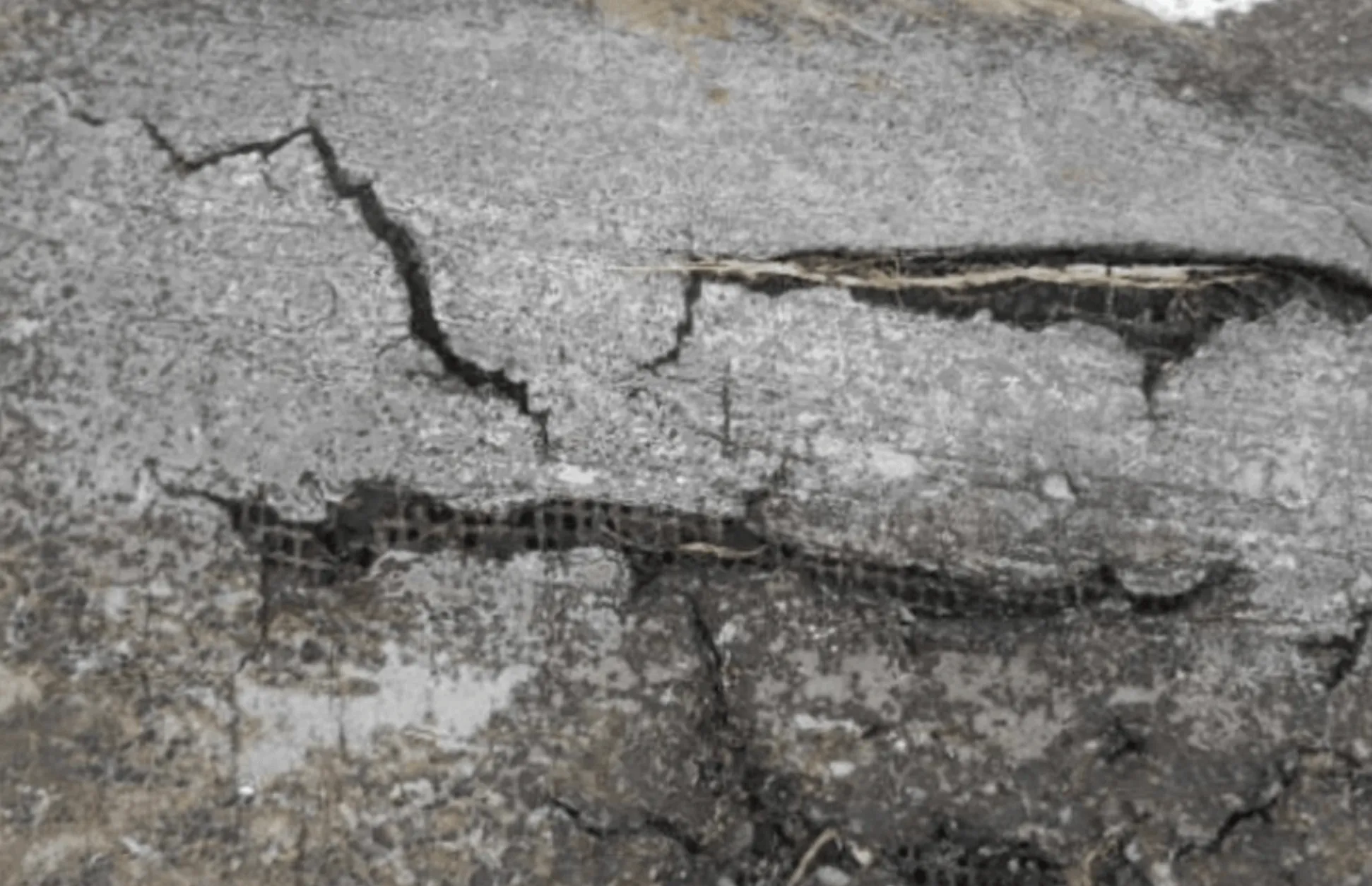
General commercial roof repair covers a broad scope of work that falls between an emergency leak response and a full system replacement. On any given week in Lexington, that scope might include re-seaming a separating TPO lap on a Coldstream Research Campus building, rebuilding the curb flashing on an HVAC unit at a Nicholasville Road medical office, repairing pitch pockets on a Warehouse Block historic conversion, or re-securing a lifted section of EPDM membrane at the parapet edge on an older University of Kentucky academic building. The common thread is that the problem is real, the system still has service life, and targeted repair is the right economic decision.
Seam repairs are among the most frequent scope items we handle on single-ply commercial roofs across Lexington. TPO and EPDM lap seams that were originally welded or adhered under suboptimal conditions, a rush installation, a cold weather application, or inadequate surface preparation, often begin showing separation within five to ten years. The seam doesn't fail all at once; it starts with a small void at the seam edge that admits capillary moisture, which then works its way along the seam under thermal cycling. By the time the seam is visibly separated and actively leaking, the failure zone may be several feet long. We probe seams with a putty knife to find the extent of adhesion failure before scoping the repair, then use the appropriate heat-weld or adhesive repair method for the membrane type.
Curb flashings at HVAC units, exhaust fans, and rooftop equipment are the second most common repair category on Lexington commercial roofs. Equipment curbs are transition points between the roof membrane and a vertical surface, and they accumulate failures from multiple directions: the metal flashing corrodes and separates, the membrane-to-curb adhesion fails as the building moves, and the sealant at the top edge of the flashing dries and pulls away from the equipment base. On multi-tenant Coldstream Research Campus buildings with dense rooftop equipment, a single roof inspection might identify a dozen curb flashing deficiencies at different stages of failure. We prioritize these by evidence of active water entry versus developing risk, and repair them systematically rather than addressing one while ignoring the others at the same elevation.
Distillery District buildings and Warehouse Block historic conversions create repair challenges that straightforward suburban commercial roofs don't present. These buildings typically have masonry parapet walls with complex flashing termination requirements, irregular roofline configurations from adaptive reuse, and rooftop additions that were executed without consistent detailing. A converted tobacco warehouse on Manchester Street may have three different membrane systems on three different roof sections, a legacy BUR on the original building, a modified bitumen on a 1990s addition, and a TPO patch on a newer HVAC well. Repairing these roofs requires understanding the relationship between sections and making sure each repair is compatible with the adjacent membrane system.
Drain area repairs are critical on Lexington flat roofs given the precipitation volumes the area sees. The membrane at drain flanges is subject to concentrated mechanical stress from drain cleaning, foot traffic, and the weight of standing water before it evacuates. We see drain sump failures, where the membrane around the drain bowl has lost adhesion and lifted, on buildings across all membrane types and ages. A drain area repair typically involves removing the drain clamping ring and strainer, cutting back the failed membrane around the perimeter, installing a new drain boot or reinforcement layer, and securing the repaired area with a clamping ring torqued to specification. Leaving a failed drain sump in place while recoating or patching the surrounding area is a short-term measure that typically fails within a single season.
Pitch pockets, those open-top metal boxes filled with roofing compound around penetrations, need periodic maintenance on any commercial building that has them. The fill material shrinks and cracks over time, and Lexington's freeze-thaw cycling accelerates the process as water infiltrates small cracks and expands during freezing. We clean pitch pockets, remove failed fill material, apply a compatible new sealant compound, and cap them with a domed metal cover when geometry allows. On buildings with dozens of pitch pockets, a common situation on older UK campus buildings and 1970s-era commercial properties, this maintenance is most efficiently done as a planned scope item during a scheduled inspection visit rather than as individual emergency calls when each one begins leaking.
Parapet wall and coping repairs are closely linked to roof repair work on historic and older Lexington commercial buildings. A deteriorated or improperly sloped coping cap allows water to enter the masonry parapet wall, which then wicks into the wall-to-roof joint and appears as a leak at the roof deck level. The repair has to address both the coping condition and the counter-flashing at the base of the parapet, or the roof repair alone won't hold. We coordinate masonry and roofing work when parapet conditions are part of the moisture entry path rather than treating the roof and the wall as independent systems.
Hospitality buildings on and near the Bourbon Trail in Lexington and surrounding Fayette County present a particular repair challenge: seasonal access. Many boutique hotels, event barns, and destination restaurant buildings in the region have limited maintenance windows between busy hospitality seasons. A roof repair that requires temporary exterior access on the exterior of a building during peak fall event season isn't logistically viable. We work with these property owners to develop repair schedules that fit their operational calendar, identify the highest-risk deficiencies for priority attention, and plan larger scope items for the early spring or winter shoulder periods when roof access is least disruptive to their business.
Every repair scope we deliver includes a condition assessment of the surrounding area, not just the specific failure point. A building owner who calls about a single separated seam deserves to know if there are three other seam sections in similar condition 20 feet away, finding out about them during the next rain event is a worse outcome than addressing them as part of the current repair mobilization. This approach to repair work is how we build long-term relationships with Lexington property managers and facilities directors who need a contractor they can trust for objective assessments rather than minimum-scope responses.
Questions Owners Ask
How do I know if a repair is worth doing vs. replacing the roof?
We evaluate remaining system life, the extent and pattern of failures, and whether wet insulation is present. A roof with two or three localized failures on a 15-year-old membrane with sound insulation is a strong repair candidate. A roof with failures distributed across the field, wet insulation in multiple areas, and a membrane approaching end of service life is a replacement candidate. We'll give you an honest assessment of where your building falls on that spectrum.
Can you repair a roof during winter in Lexington?
Many repair types can be executed in cool weather with appropriate product selection, solvent-based adhesives, cold-applied sealants, and certain membrane products perform at lower temperatures than water-based systems. Heat welding TPO requires surface temperatures above certain thresholds. We assess the specific repair type and current conditions and let you know whether the repair can be safely executed or whether deferral until warmer conditions is the right call.
What causes curb flashing failures on commercial roofs?
Curb flashings fail from a combination of thermal movement, membrane adhesion deterioration, metal corrosion, and inadequate original detailing. Buildings with heavy rooftop equipment loads see more curb movement over time, which stresses the membrane-to-curb bond. In Lexington's climate, the freeze-thaw cycle also works on the sealant at the top edge of the flashing, causing it to crack and pull away from the equipment base. Properly flashed curbs should have a minimum 8-inch vertical flashing height and positive drainage away from the curb base.
Do you offer multi-year repair and maintenance agreements?
Yes. For commercial property managers and building owners in Lexington with ongoing repair needs, we offer maintenance agreements that include scheduled inspection visits, priority response for active leaks, and annual repair budgets that we work against systematically. These agreements typically cost less per square foot annually than reactive repair-only relationships and result in better-managed roof condition over time.
What information should I have ready when I call about a roof repair?
The most helpful information is the building location, the approximate age of the current roofing system if you know it, a description of where the problem is manifesting (interior location, exterior visible damage), and whether there is currently active water infiltration. If you have prior inspection reports or repair records, those are useful but not required. We'll gather what we need during the initial site visit.