
Multifamily Roofing in Lexington, KY from Commercial Roofing of Lexington.
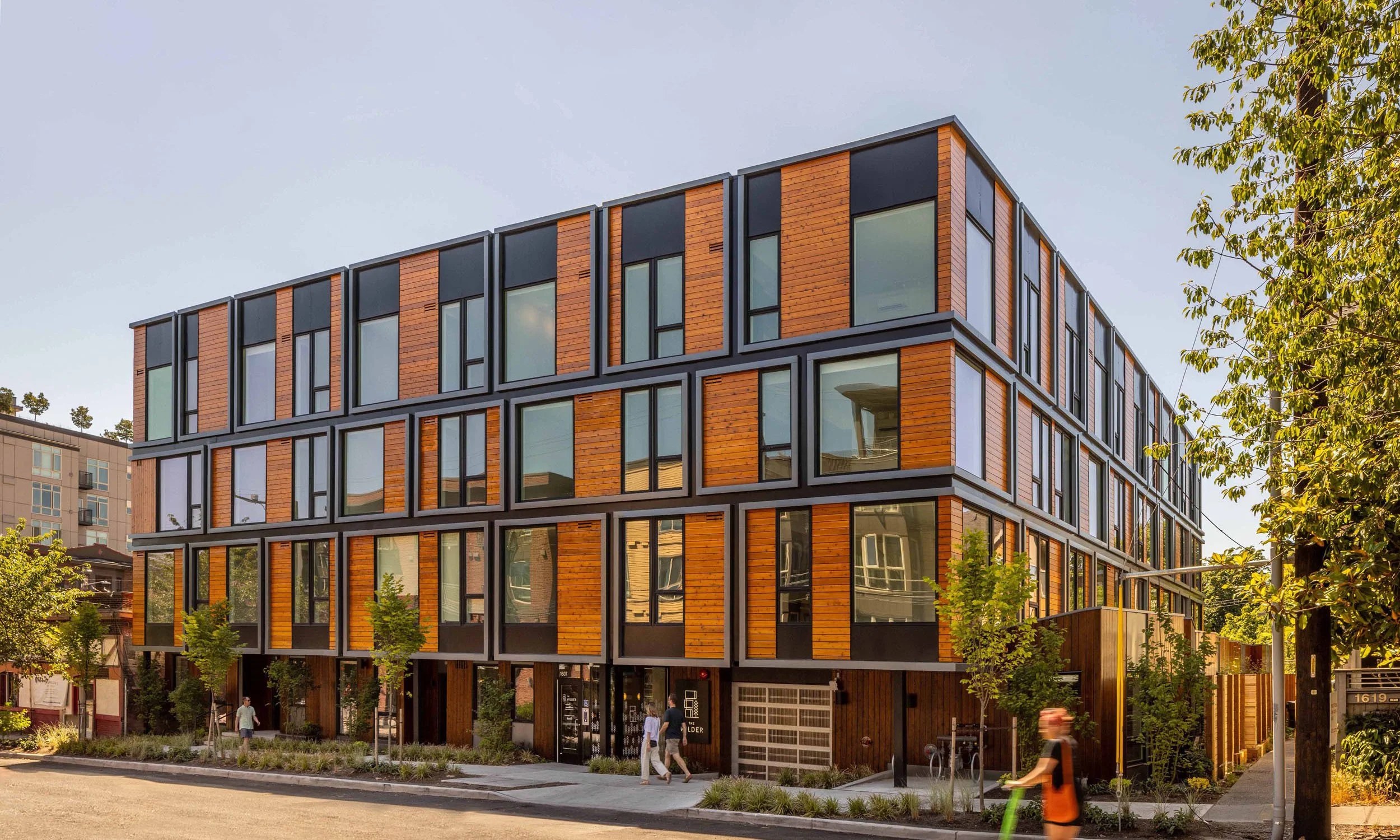
Lexington-based developer Bravura Real Estate has delivered several prominent mixed-use and multifamily projects in the downtown and Chevy Chase corridors, and their properties illustrate the specific complexity of apartment and mixed-use building roofing in a mid-sized Kentucky city. Occupied residential roofing,whether on a 40-unit garden apartment complex off Nicholasville Road or a 200-unit urban mixed-use building on Main Street,requires a fundamentally different approach than commercial or industrial work. Residents cannot simply vacate while work proceeds. Their belongings, daily routines, sleep schedules, and lease rights all create constraints that govern when and how roofing work can proceed in Lexington.
Occupied scheduling for Lexington multifamily roofing requires working around residents' lives in ways that commercial building tenants do not demand. Noise from tear-off equipment typically begins disturbing residents by 7 a.m. and must stop by 6 p.m. per most Lexington residential noise ordinances. Units with upper-floor residents directly below the active work area experience vibration that can feel like low-level seismic activity,disorienting for elderly residents and frightening for residents who have not been adequately notified. A phased work plan that moves across the building section by section, with each section completed and made watertight before the next is opened, limits the duration of disruption for each resident group and demonstrates the operator's commitment to managing the project responsibly.
HOA and property management coordination for Lexington apartment roofing varies by ownership structure. Condominium developments have HOA boards who must vote to approve the project scope and budget, often over the objections of unit owners who face a special assessment. Traditional apartment operators,like Bravura's rental portfolio,have cleaner decision-making but still need to coordinate notification letters, temporary parking adjustments for contractor vehicles, and access management to avoid conflicts between roofing crews and residents. In mixed-use buildings with retail on the ground floor, the commercial tenants' hours and customer access requirements add another layer of coordination that a retail-experienced roofing contractor will have managed before.
Fire ratings for Lexington multifamily roofing are governed by Kentucky building code and the International Building Code as adopted by the city. Multi-family buildings of four stories or more require Class A fire-rated roof assemblies, and the membrane, insulation, and deck combination must be evaluated as a system to confirm that the assembly achieves the required fire classification. UL and FM Global publish fire classification listings for roofing assemblies, and the specified assembly must appear in a current listing. A Class B or Class C assembly on a building that requires Class A is a code violation and a significant liability exposure for the building owner.
Balcony waterproofing is a specific roofing-adjacent scope that Lexington multifamily buildings frequently need addressed at the same time as roof replacement. Open walkway decks, balconies, and the waterproofing at balcony-to-wall transitions are among the most common sources of water intrusion in apartment buildings, and they share a waterproofing contractor relationship with roofing. Traffic-bearing waterproofing membranes under the balcony finish,typically a fluid-applied system or a sheet-applied membrane with a topping slab,must be installed and sealed to the building envelope in a way that prevents water from entering the unit below. When Lexington apartment owners commission a roof replacement, they should also commission an inspection of all open balconies and walkway decks for waterproofing deficiencies.
Notice requirements for residents before roofing work begins in Lexington are governed both by the general lease terms and by Kentucky landlord-tenant law. Kentucky Revised Statutes Chapter 383 establishes landlord obligations to maintain the premises in habitable condition and to provide advance notice before entering dwelling units. Roofing work that affects the building exterior,which is not a dwelling unit entry,still requires advance written notice under best-practice standards, and most well-managed Lexington apartment properties provide 10-14 days written notice before major exterior work begins. The notice should describe the work scope, the expected duration, and any disruptions residents should anticipate.
Storm damage claims from Lexington multifamily roofing events are processed through commercial property insurance, and the claims process for apartment buildings has specific characteristics. Kentucky's spring storm season produces both hail events and wind events that can damage roofing on dozens of buildings in a single day. Adjusters working multiple claims simultaneously may apply more scrutiny to claims without adequate pre-loss documentation. Apartment operators should maintain an annual inspection report on file for each building in their portfolio, and any hail event that affects the property should be documented with post-storm photographs before any emergency repairs begin.
Phased work on a large Lexington multifamily property,breaking the re-roofing project into sections completed over multiple seasons rather than a single all-at-once scope,is sometimes the right approach when budget constraints or occupancy obligations limit the owner's ability to complete the entire building in a single mobilization. A phased approach requires careful documentation of the temporary connections between the completed new section and the remaining old section, and those connections must be maintained as watertight throughout the interim period. The roofing contractor should provide a written warranty for the temporary transition details that is in effect until the final section is completed.
Cost benchmarks for Lexington multifamily roofing run from $9-$14 per square foot for standard TPO or modified bitumen re-roofing on garden apartment buildings, to $13-$19 per square foot for complex mixed-use buildings with balcony waterproofing work included. Fire-rated assembly premiums add $0.50-$1.50 per square foot over standard assemblies. Annual inspection and maintenance contracts for Lexington apartment portfolios typically run $0.10-$0.20 per square foot per year, and operators with 100 or more units should consider portfolio-level inspection contracts that provide consistent documentation across all buildings.
- What noise and hour restrictions apply to roofing work on Lexington apartment buildings?
- Lexington's residential noise ordinance limits construction noise to daytime hours, typically 7 a.m. to 6 p.m. on weekdays and with more restricted hours on weekends. Tear-off equipment generates noise that is plainly audible to residents below the work area. Work schedules should be communicated to residents in advance, and the noisiest operations,mechanical tear-off and pneumatic fastener installation,should be concentrated in mid-morning hours when most residents are away from the building.
- What fire rating is required for Lexington multifamily roofing?
- Kentucky building code and the adopted IBC require Class A fire-rated roof assemblies for multi-family buildings of four stories or more. The complete assembly,membrane, insulation, and deck,must be evaluated as a system under a current UL or FM Global fire classification listing. A contractor who specifies components individually without confirming the assembly rating may inadvertently install a non-compliant system.
- How should Lexington apartment owners handle balcony waterproofing during re-roofing?
- Balcony waterproofing inspection and repair should be commissioned at the same time as roof replacement. Traffic-bearing waterproofing membranes under balcony finishes are a common source of water intrusion into units below. A waterproofing contractor who specializes in plaza deck and balcony systems should inspect all open balconies and walkway decks and provide a condition report and repair scope alongside the roofing contractor's proposal.
- How much advance notice must Lexington landlords give residents before roofing work?
- Kentucky Revised Statutes Chapter 383 governs landlord-tenant obligations. Best practice for major exterior work is 10-14 days written notice before work begins, describing the scope, duration, and anticipated disruptions. The notice should be delivered in the manner specified by the lease,typically by posting and US mail,and a copy should be retained in the tenant file. If work will affect parking or common area access, additional specific notice is appropriate.
- Is phased re-roofing over multiple seasons appropriate for a Lexington apartment complex?
- Phased re-roofing is appropriate when budget or occupancy constraints prevent completing the building in a single mobilization. The key requirement is that the temporary transition between the completed new section and the remaining old section be made fully watertight and warrantied in writing by the contractor. The transition detail should be inspected before each winter season and repaired if any compromise is found. Full completion within 24 months of the first phase start is a reasonable target to avoid warranty complications.