
Veterinary Clinic Roofing in Lexington, KY from Commercial Roofing of Lexington.
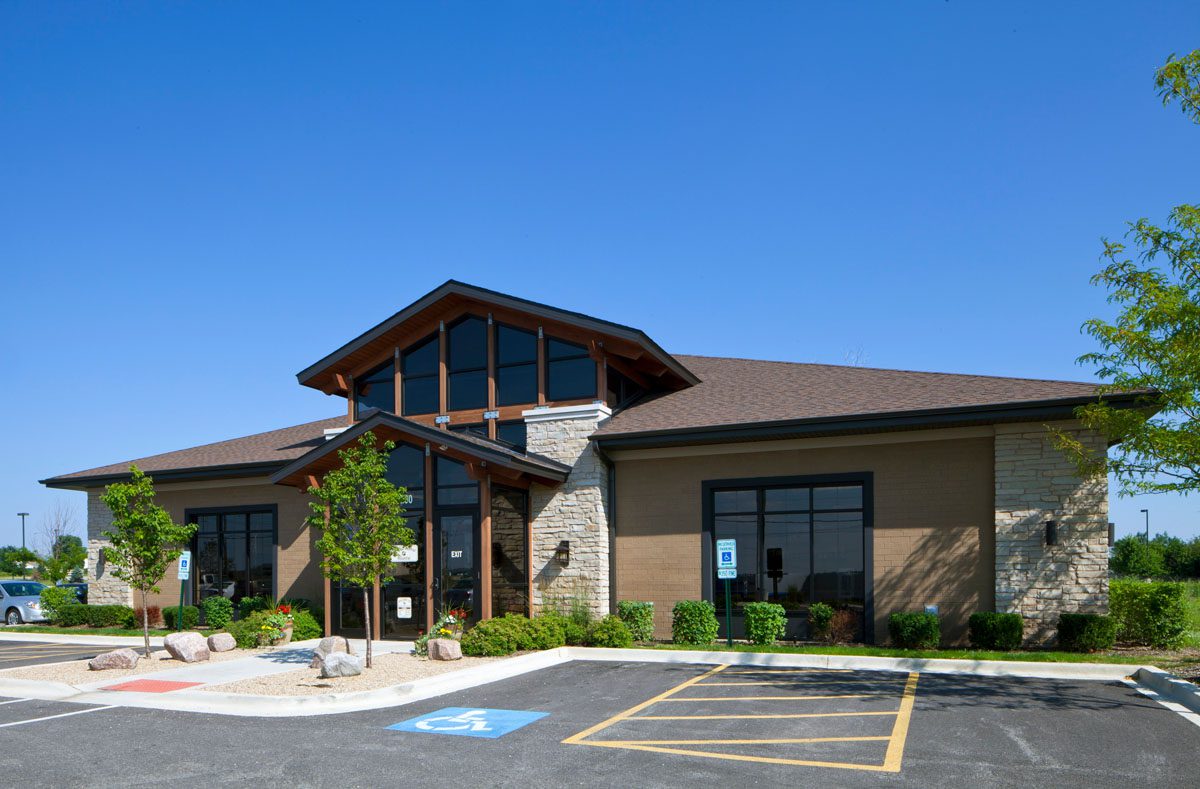
The penetration density on a veterinary hospital in Lexington is higher than on a comparable-footprint medical office building , and the penetration types are more varied. In addition to standard HVAC equipment, a full-service animal hospital carries separate air handling systems for surgical suites, isolation wards, boarding areas, and dental treatment rooms; multiple exhaust systems for anesthetic gas scavenging and the odor control systems in boarding and recovery areas; and specialty gas lines (medical oxygen, nitrous oxide) with roof-penetrating vent stacks. Each penetration type has different clearance requirements, different flashing specifications, and different maintenance implications for the clinic's infection control program.
Anesthetic gas exhaust is a specific penetration category that requires careful attention on veterinary hospital roofing in Lexington. Waste anesthetic gas (WAG) scavenging systems vent halogenated agents , isoflurane, sevoflurane , through dedicated exhaust stacks. These gases are denser than air and will pool at low points on the roof surface if the exhaust stack height is insufficient. WAG scavenging exhaust stacks must terminate at a height that prevents recirculation back into any HVAC intake , a requirement that can be affected by a re-roofing project that changes the finished roof height relative to the existing stack height. We confirm WAG stack clearance compliance with the facility's anesthesia equipment vendor before finalizing the insulation assembly thickness.
Isolation ward HVAC is a separate, dedicated air handling system in most full-service animal hospitals , negative pressure in isolation wards prevents cross-contamination between infectious cases and the general hospital population. The exhaust from isolation ward HVAC must terminate in a location that prevents recirculation into the general HVAC intakes. We map the isolation ward exhaust and general HVAC intake locations during the pre-construction survey and confirm that the proposed penetration configuration maintains appropriate separation after the re-roofing work is complete.
Veterinary Clinic Roofing , Technical Questions
How do you handle waste anesthetic gas (WAG) scavenging exhaust stacks?
WAG scavenging exhaust stacks must terminate at a height sufficient to prevent recirculation into any HVAC intake, per NIOSH and OSHA guidelines for waste anesthetic gas management. If the re-roofing project's insulation assembly raises the finished roof surface, existing stack heights may no longer provide adequate clearance. We measure existing stack heights against proposed insulation thickness during the pre-bid inspection and include stack height extension in the roofing scope when the clearance calculation indicates it's required. Stack extension is coordinated with the facility's anesthesia equipment maintenance vendor.
What clearances are required between odor control exhaust and HVAC intakes?
Boarding area odor control exhaust must terminate at a location that prevents odor recirculation into general HVAC intakes , both for occupant comfort and for animal welfare. Code minimum separation distances (typically 10-25 feet depending on the local mechanical code) are the floor, not the target. In practice, proper odor control exhaust management requires site-specific assessment of prevailing wind patterns, intake and exhaust locations, and the building's HVAC zoning. We coordinate penetration configurations with the facility's mechanical contractor during pre-construction planning.
What is the correct specification for a veterinary hospital's HVAC-dense roof?
Veterinary hospitals with high HVAC density require a fully adhered membrane on a rigid substrate that provides stable support for the numerous curbs and penetration flashings. A mechanically attached system with many penetrations creates alignment challenges and attachment pattern complications near curbs. Fully adhered 60-mil TPO over polyiso provides the stable substrate and chemical resistance appropriate for a medical facility with multiple exhaust sources. We design the insulation taper to ensure positive drainage away from all curbs , standing water near curbs is the most common source of flashing failure on dense-penetration medical roofs.
How do you flash medical gas vent stacks on a veterinary hospital roof?
Medical gas vent stacks , oxygen, nitrous oxide , are typically 1-inch to 2-inch diameter copper or stainless steel pipes penetrating the membrane through standard lead or EPDM pipe boots. The flashing must seal completely around the pipe and allow for thermal expansion and vibration without cracking the seal. We use stainless steel or PVDF-coated curb extensions with oversized lead flash collars for medical gas penetrations , not standard rubber pipe boots that may not accommodate the thermal cycling of metallic medical gas lines in extreme temperature conditions.
How does infection control influence the roofing specification?
Veterinary infection control standards require that the building envelope not provide pathways for disease transmission between indoor air zones. A roofing assembly that allows moisture infiltration into the plenum space above an isolation ward can create conditions for mold growth that compromises the isolation ward's infection control effectiveness. We specify zero-infiltration membrane systems for sections above isolation wards and confirm with the facility's infection control consultant that the proposed assembly meets the clinic's biosecurity standards.