
Skylight Penetration Flashing in Lexington, KY from Commercial Roofing of Lexington.
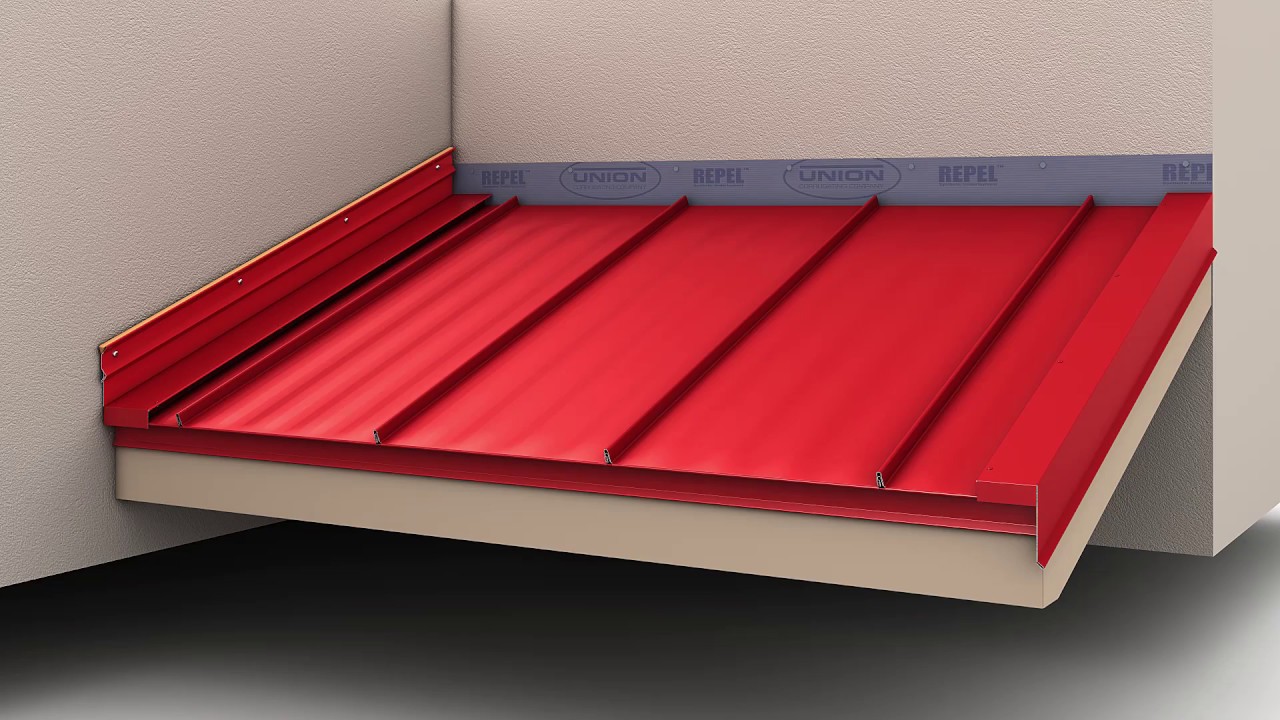
Penetration flashing is where commercial roofs fail most often in Lexington, and the math is straightforward: every pipe, duct, conduit, equipment curb, skylight, and roof hatch that passes through or interrupts the membrane plane is a potential water entry point. On a simple warehouse with two HVAC units and four roof drains, that's a manageable number of details to execute and maintain. On a University of Kentucky HealthCare building with mechanical penthouses, medical gas penetrations, exhaust fans, telecommunications conduits, and equipment curbs dense enough to require a rooftop traffic plan, you might have 80 to 120 individual penetrations on a single roof level. Each one is a flashing detail that must be executed correctly at installation and maintained throughout the system's service life.
Curb height is the penetration detail that most frequently causes problems on re-roofed Lexington commercial buildings. The standard minimum curb height for rooftop equipment is 8 inches above the finished roof surface, which provides clearance for the membrane to terminate on the vertical curb face and still have adequate height to prevent water from overtopping the flashing during storm events. When a building has been re-roofed , adding insulation and a new membrane over the existing assembly , the finished roof surface rises by the combined thickness of the added layers. A curb that was 10 inches above the original roof surface may be only 5 inches above the new surface after a recover that adds 3 to 4 inches of insulation and membrane. That five-inch curb is now below the minimum standard and vulnerable to water entry in every significant rain event.
Coldstream Research Campus buildings present the highest penetration density of any commercial roofing environment in Lexington. Life-science and research tenants require rooftop ventilation for laboratory exhaust, specialty HVAC for clean-room and controlled environment spaces, and utility infrastructure that creates penetration concentrations that exceed what a standard commercial building would generate. When we assess a Coldstream building scheduled for re-roofing, we inventory every penetration and evaluate curb heights against the planned new surface elevation , typically in a pre-construction meeting with the facilities manager and the building's mechanical engineer. Curbs that will be below minimum height after re-roofing are sleeved or rebuilt before the new membrane is installed, not discovered after the project is complete when the first post-installation storm event reveals the problem.
Pipe penetration flashings on older Lexington commercial buildings typically use EPDM or neoprene pipe boots , molded rubber sleeves that seal around round penetrations and lap onto the membrane surface below. These boots are effective when properly installed, but they degrade over time from UV exposure and ozone, and a cracked or split pipe boot is one of the most common single-point leak sources we find on commercial roofs throughout Fayette County. A cracked pipe boot on a medical office building on Nicholasville Road may leak only during heavy May rain events initially , the crack admits water only when rain volume overwhelms the capillary resistance , but without repair it will eventually leak at every rain event. Pipe boot replacement is a simple, inexpensive repair when addressed as a maintenance item; it becomes a ceiling damage claim event when ignored.
Skylight re-flashing at historic Warehouse Block buildings is a recurring project type that requires more care than a standard commercial penetration repair. The original skylights on historic commercial buildings may be fixed glazing set in wood or steel frames that are now 40 to 80 years old. The glazing compound is often failed, the frame is corroded or deteriorated, and the roof membrane around the skylight perimeter has been patched multiple times in ways that may have created more problems than they solved. When we re-flash a historic skylight, we evaluate whether the skylight itself is worth preserving or whether a modern replacement unit with a properly engineered curb and integral flashing is a better long-term solution. In some cases the historic character argument supports refurbishing the original skylight frame; in most commercial cases the modern replacement unit is the more economical and more durable outcome.
Expansion joints in commercial roofing are a specialized penetration category that requires specific assemblies engineered for the movement the structural system experiences. An expansion joint is not a seam to be caulked , it's a designed movement accommodation that the waterproofing system must span while accommodating differential movement between the structural sections on either side. Pre-formed expansion joint assemblies with bellows or compression-seal designs are specified based on the joint width and the anticipated movement range. Field-applied sealant at a commercial expansion joint is a temporary measure. We see expansion joints on Lexington commercial buildings , particularly on older multi-wing buildings where the joint was original to the structure , that have been caulked and re-caulked so many times that the substrate on either side of the joint is built up with hardened sealant that prevents the proper prefabricated assembly from being installed without surface preparation. When we address an expansion joint, we remove the accumulated sealant layering and install a proper engineered assembly.
Equipment curb fabrication quality affects the flashing performance for the life of the system. A curb that is square, plumb, and built to the correct height above the design roof surface is a straightforward flashing detail. A curb that was field-fabricated out of dimension lumber at a non-standard height, or a curb that has racked and is no longer plumb, creates a flashing challenge that compounds over the life of the building. When we replace equipment curbs as part of a re-roofing project, we specify pre-fabricated insulated metal curbs to the correct height and verify their installation before the membrane is applied. The cost of a properly fabricated curb is a small fraction of the cost of managing the chronic leak that a deficient curb generates.
Baptist Health Lexington and other hospital facilities in the Lexington market have penetration flashing requirements that go beyond standard commercial practice. Medical gas penetrations , oxygen, nitrogen, and specialty gas lines , have code-specific sleeve and seal requirements around the penetration point. Sterile exhaust from procedure rooms and isolation spaces must be terminated at specific heights and locations relative to the roof surface and intake locations. We work with the hospital's mechanical engineering and infection control teams on penetration flashing specifications at medical facilities to ensure that the roofing detail is compatible with the code requirements governing the penetration's mechanical function.
The maintenance protocol for penetration flashings should include annual inspection of every pipe boot, equipment curb flashing, skylight perimeter seal, and expansion joint seal on the roof. We photograph each penetration and rate its condition annually during maintenance visits, which creates a condition history that allows us to predict which details are approaching failure rather than simply reacting when they fail. On buildings with 100-plus penetrations , the Coldstream Research Campus and UK HealthCare building types , a digitized penetration map with condition ratings at each location gives the facility manager the information needed to budget for flashing maintenance rather than managing each detail as an unpredictable individual repair event.
Questions Owners Ask
Why do penetration flashings fail more often than the field membrane?
The field membrane is a continuous sheet subject to uniform stresses. Penetration flashings are transitions between the membrane and a different material , a metal curb, a pipe, a skylight frame , and the junction between those materials experiences thermal movement differentials, adhesion failure, sealant deterioration, and sometimes mechanical damage from equipment service. There are more failure modes at a penetration than in the field membrane, which is why penetrations are statistically the most common leak source on commercial buildings.
My building had a roof added over the existing one , should I worry about curb heights?
Yes, this is a critical check. Every recover or re-roofing project that adds material thickness raises the finished roof surface. Any equipment curb or skylight that was at adequate height before the recover may be below the 8-inch minimum after the new assembly is installed. We check every curb height against the planned new surface elevation during the pre-construction phase of any recover or replacement project and address deficient curbs before the membrane is installed.
How long do pipe boot flashings last?
EPDM and neoprene pipe boots typically have a service life of 10 to 15 years on Lexington commercial buildings. UV exposure is the primary degradation mechanism , boots on south-facing roof surfaces in direct sun deteriorate faster than those in shaded locations. We inspect pipe boot condition annually on maintenance visits and replace boots showing surface cracking or hardening, which indicates the rubber is near the end of its service life regardless of whether it is currently leaking.
What's involved in re-flashing a historic skylight?
We assess the skylight frame condition, glazing compound integrity, and the condition of the membrane at the skylight perimeter. If the frame is structurally sound and worth preserving, re-flashing involves removing the existing perimeter membrane and flashing, cleaning the frame, and installing new membrane flashing integrated with the roof system at proper height and termination. If the frame is deteriorated, we evaluate replacement options , often a modern insulated skylight unit with an integral curb flashing , and discuss the options with the building owner before proceeding.
Can you install new penetrations without replacing the whole roof membrane?
Yes. New penetrations , additional mechanical equipment, conduit runs, or plumbing stacks , can be added to an existing commercial roof with properly fabricated curbs or pipe boots that integrate with the existing membrane system. We use membrane-compatible materials and the correct adhesive or welding method for the existing membrane type. Adding penetrations to an aged membrane requires care at the new flashing perimeter to ensure the new detail integrates with membrane that may have limited flexibility , this is an area where cutting corners on technique creates immediate failure risk.