
Auto Dealership Roofing in Lexington, KY from Commercial Roofing of Lexington.
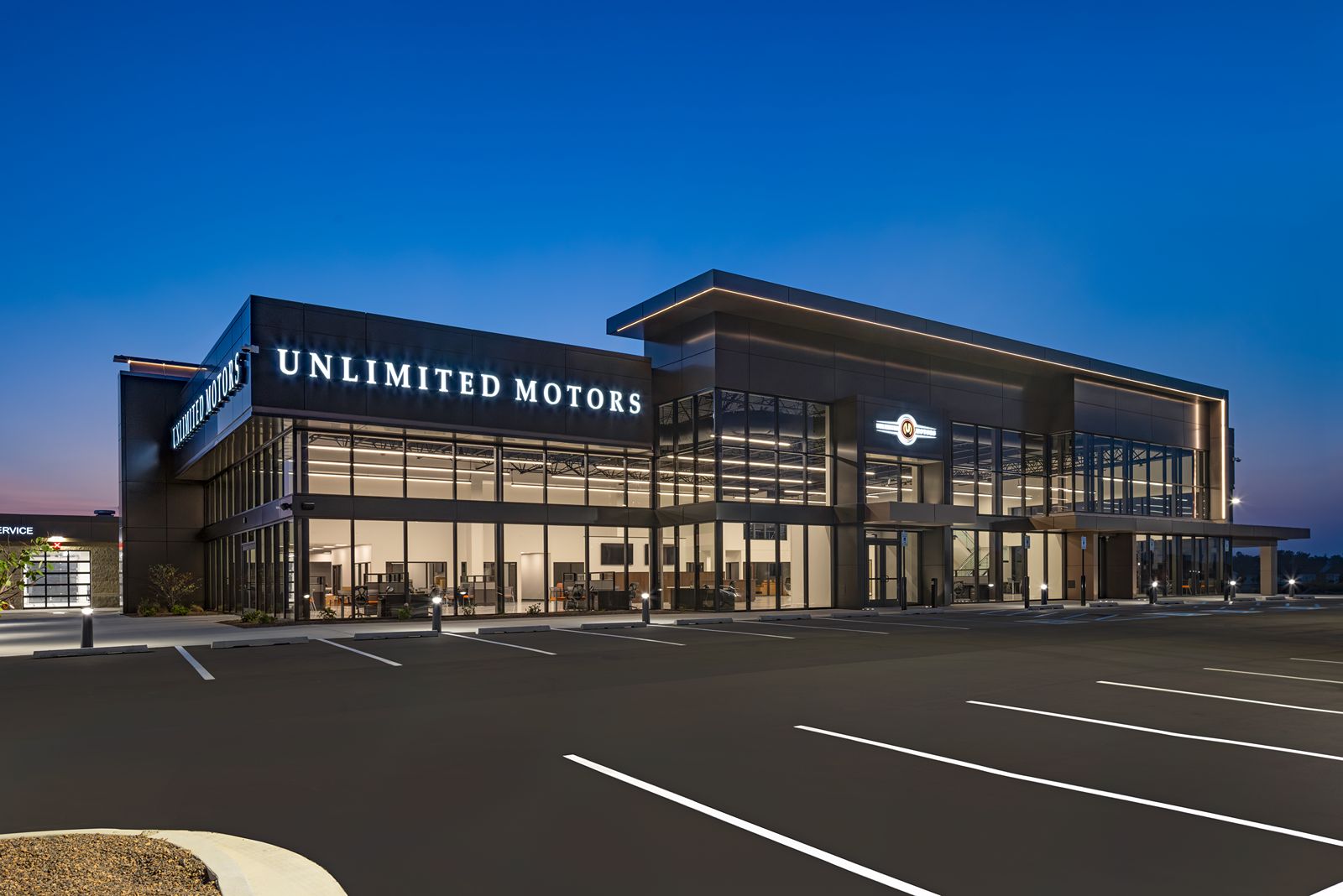
Don Jacobs Automotive Group has been a fixture in Lexington's new-vehicle market for decades, and the sprawling showroom and service campus on New Circle Road represents precisely the kind of mission-critical commercial roofing challenge that requires a contractor who understands both the technical demands of a large multi-use facility and the operational reality that a dealership never truly closes. Cars are being delivered, service bays are active at 7 a.m., and the showroom floor is lit and occupied six days a week , every one of those activities happens under a roof that must perform perfectly or it costs the dealer real money in damaged inventory, disrupted service revenue, and brand perception damage.
Showroom roofing at a Lexington dealership requires a higher standard of waterproofing detailing than a typical commercial building because the consequence of a leak is so immediate and expensive. A new vehicle sitting on the showroom floor under an active leak suffers interior water damage that can render it non-new-car-certifiable and force a significant price reduction. The showroom roof must achieve and maintain a state of absolute dryness, which means that every penetration , skylights, HVAC drops, sprinkler heads, conduit runs , must be flashed and maintained to zero-defect standards.
Skylights are a defining architectural feature of modern dealership showrooms, and they represent the single most challenging roofing detail on a Lexington auto dealership property. Glass and polycarbonate skylights expand and contract at different rates than the surrounding roofing membrane, creating shear stress at the skylight curb-to-membrane interface that progressively degrades standard flashing details. Premium curb flashing systems designed specifically for commercial skylight applications , not generic pipe-flashing adaptations , must be specified on any Lexington dealership roofing project.
Service department roofs present different challenges from showrooms. The service bay area typically spans 20,000 to 40,000 square feet of large-bay industrial space with a high density of roof penetrations for vehicle exhaust extraction systems, compressed air lines, lighting drops, and HVAC equipment. The heat generated by service bay operations , multiple vehicles running simultaneously in an enclosed space , creates thermal loading on the roof assembly that is higher than typical commercial occupancies. Insulation systems must be sized accordingly, and vapor management must account for the significant moisture generated by vehicle operations.
Occupied operations management is non-negotiable for a Lexington dealership roofing project. The facility cannot close for a re-roofing project the way a manufacturing plant or warehouse might. Service bay scheduling, customer vehicle movement, parts department access, and the dealership's own new vehicle inventory must all be coordinated around the roofing project on a daily basis. A contractor who cannot demonstrate experience managing roofing projects on continuously occupied commercial facilities should not be considered for a dealership job.
OEM facility standards affect roofing decisions at franchise dealerships. Major manufacturer dealer facility programs , Honda, Toyota, Ford, Chevrolet , prescribe design standards for dealership buildings that can include requirements for roof color, skylight coverage ratios, and energy performance metrics. A re-roofing project at a Don Jacobs or other franchise dealership in Lexington must be reviewed against the applicable OEM facility program before design is finalized to ensure that the new roof system will satisfy manufacturer requirements and not jeopardize the dealer's facility compliance status.
Kentucky's climate delivers meaningful hail exposure. Lexington has experienced multiple hail events in recent years that have damaged vehicle inventory on outdoor lots, and the same storms affect roofing membranes, skylights, and metal roofing panels on dealership structures. Impact-resistant membrane specifications and tempered or laminated glass skylights are worthwhile investments on Kentucky dealership properties, both for their physical protection value and for the insurance premium adjustments they can generate on properties with significant covered inventory.
Preventive maintenance on a Lexington dealership roof should include bi-annual inspections , spring and fall , with immediate post-event assessments after any significant hail or wind event. Skylight seals should be specifically inspected each spring because freeze-thaw cycling over the winter tends to stress skylight gaskets and curb flashing details. A maintenance program that includes photographic documentation is essential for insurance claims and for tracking the progression of any chronic issues across the property.
Contractor selection for a Lexington dealership roofing project should emphasize experience with occupied commercial facilities, specific knowledge of auto dealership roofing requirements, and the ability to coordinate complex multi-trade projects where roofing work intersects with HVAC, electrical, and skylight glazing specialty contractors. Manufacturer certifications from both membrane and skylight system providers, and an NDL warranty program that covers the full assembly, are the appropriate warranty standards for a dealership-quality installation.
- Why do auto dealership showrooms require a higher waterproofing standard than typical commercial roofs?
- A leak over the showroom floor can damage new vehicle interiors and force price reductions that are worth tens of thousands of dollars per vehicle. The cost of a single damaged vehicle exceeds the cost of premium flashing details on the entire showroom roof, making zero-defect waterproofing a straightforward business decision.
- What is the best skylight flashing system for a Lexington dealership?
- Premium pre-manufactured curb flashing systems designed specifically for commercial skylights , not generic pipe-flashing adaptations , are the appropriate standard. These systems accommodate differential thermal movement between the glazing and membrane and maintain a watertight seal over the full range of Kentucky's temperature swing.
- Do OEM facility programs restrict roofing material choices?
- Yes. Some manufacturer dealer facility programs prescribe roof color, skylight coverage ratios, or energy performance requirements. The applicable OEM program should be reviewed before design is finalized on any franchise dealership re-roofing project to confirm that the proposed system satisfies facility compliance standards.
- How is a dealership re-roofing project sequenced to avoid disrupting operations?
- Experienced contractors phase work building by building and section by section, coordinate daily with dealership management on vehicle movement and service scheduling, never leave open deck exposed overnight, and schedule heavy tear-off work to avoid peak customer traffic periods such as Saturday mornings.
- What hail-resistance specification is appropriate for a Lexington dealership?
- FM 4473 Class 4 impact-resistant membrane and tempered or laminated glass skylights are recommended for Lexington dealership properties. The cost premium is modest relative to the insurance benefits and the protection of covered vehicle inventory worth millions of dollars.