
Grocery Store Roofing in Lexington, KY from Commercial Roofing of Lexington.
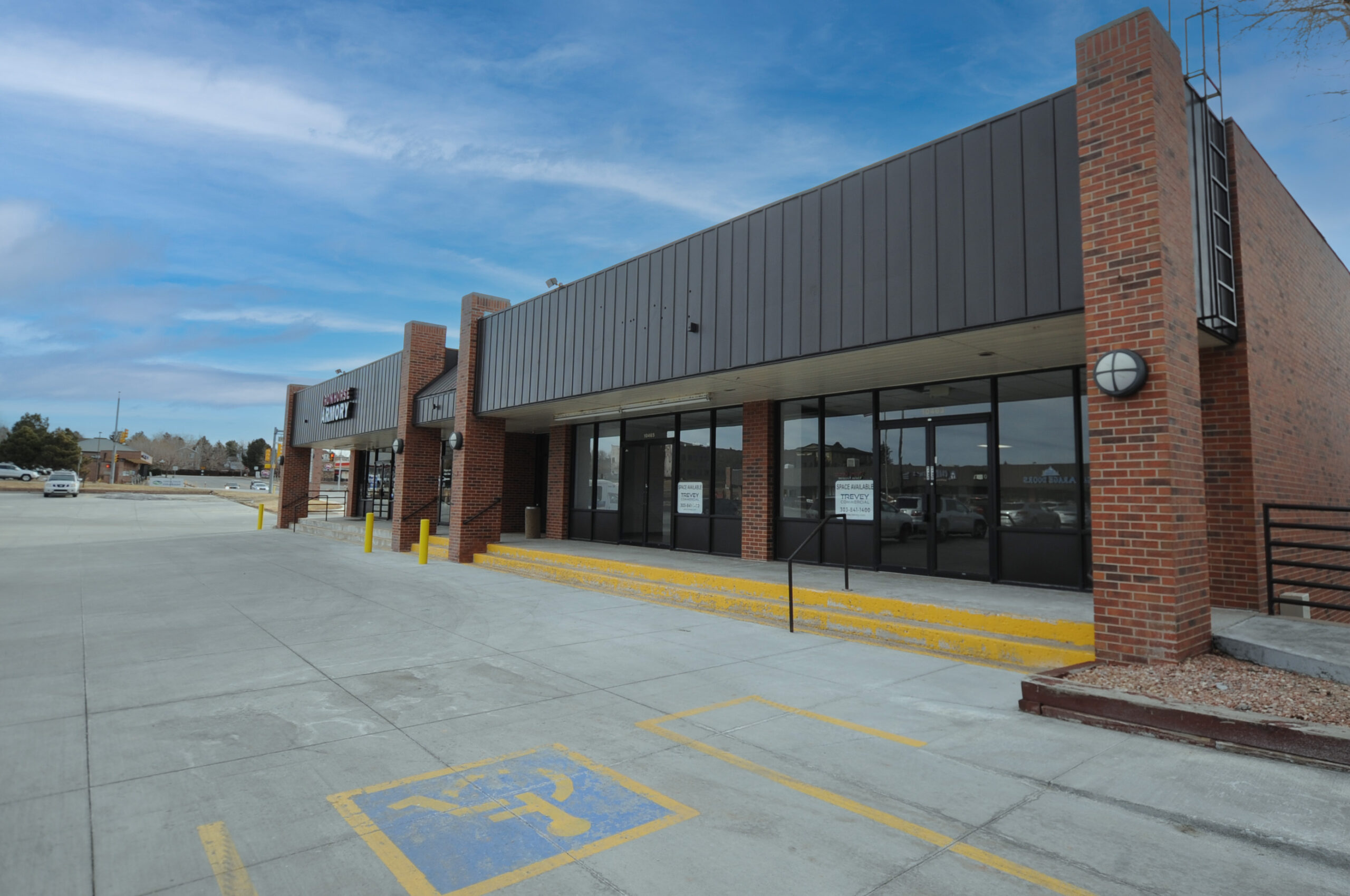
Grocery Store Roofing in Lexington, KY starts with the refrigeration system. Condensate drainage from refrigerated cases and walk-in coolers has to exit through roof penetrations without pooling on the membrane or backing up into insulation. Every grocery store roofing scope in Lexington begins by mapping refrigerant line penetrations, condensate drain outlets, and HVAC curbs so flashing failures do not go undetected until a compressor shuts down or a health inspector flags a ceiling stain.
Food safety drives urgency for grocery store roofing. Moisture ingress near produce, meat, dairy, or bakery departments creates contamination risk that triggers regulatory action, not just a maintenance call. Chains like Kroger, Albertsons, Publix, H-E-B, Safeway, and regional grocers operating in Lexington, Fayette County, the Bluegrass region, and the I-64/I-75 commercial corridor all have corporate facility standards that require documented roof conditions, photographic evidence of repairs, and contractor credentials before work begins. We build that documentation package into every grocery store roofing scope for Lexington properties.
Grocery stores in Lexington operate 24 hours a day or close only during the overnight window. That means grocery store roofing work has to be planned around the delivery schedule, refrigeration maintenance windows, and the foot-traffic peak at the front entrance. Loading dock roof areas present a separate challenge: they sit below truck canopies, collect debris, and see constant mechanical stress from dock levelers and freight activity. Grocery store roofing over loading docks often requires heavier membrane specifications and more frequent drain inspections than the field roof above the sales floor.
Skylight placement in older grocery stores creates penetration density that complicates grocery store roofing repairs. Skylights add light but multiply the number of curb transitions that can fail. Energy code compliance for cool roofs on food retail buildings in KY also affects material selection for grocery store roofing: white or light-colored membranes reduce mechanical cooling load, but they must still meet wind uplift and hail impact standards specific to the Lexington market.
The right approach to grocery store roofing in Lexington depends on roof age, refrigeration layout, occupancy schedule, and whether the current membrane can be recovered or needs full tear-off. Commercial Roofing of Lexington inspects the roof assembly, reviews the penetration map, checks interior ceiling conditions, and gives ownership a clear scope before any purchase order is signed. Call +18597657998 or email [email protected] to start the conversation.
Questions Owners Ask
What makes grocery store roofing different from standard commercial roofing?
Refrigeration condensate drainage, HVAC penetration density, food safety regulations, and 24-hour operations create flashing failure risks and documentation requirements that standard commercial scopes do not account for.
Can grocery store roofing be done while the store stays open?
Usually yes, but the schedule has to work around refrigeration maintenance windows, delivery hours, and the overnight period when the sales floor can be partially protected from overhead work.
How do you handle loading dock roof areas in a grocery store roofing scope?
Loading dock roofs require heavier membrane specs and frequent drain inspections. We address them as a separate zone with their own flashing detail, drainage review, and protection plan during work.
What documentation does a corporate grocer require for roof work?
National chains typically require contractor credentials, product data sheets, photographic before-and-after documentation, warranty paperwork, and a written scope that matches their approved vendor requirements.